How Multi-Factor Authentication Strengthens Email Security
Email is everywhere in business today. With everything from client interactions and financial accounts to private company documentation using email daily, a vast number of sensitive data is passed through in this channel. Unfortunately this has made email a target of cyber-criminals. From poor passwords, to phishing and the stealing of credentials, business accounts are still being compromised, ultimately leading to lost funds and private information being leaked.
Arguably one of the best ways to ensure better security in your business’s email use is to implement Multi-Factor Authentication (MFA). MFA will force a user to additionally authenticate themselves using another method besides a password, making it impossible for an attacker to access an account with only stolen credentials or a found password. For business’s of all sizes, turning on this feature will be a simple yet effective step to ensure your digital assets are more secure.

What Is Multi-Factor Authentication?
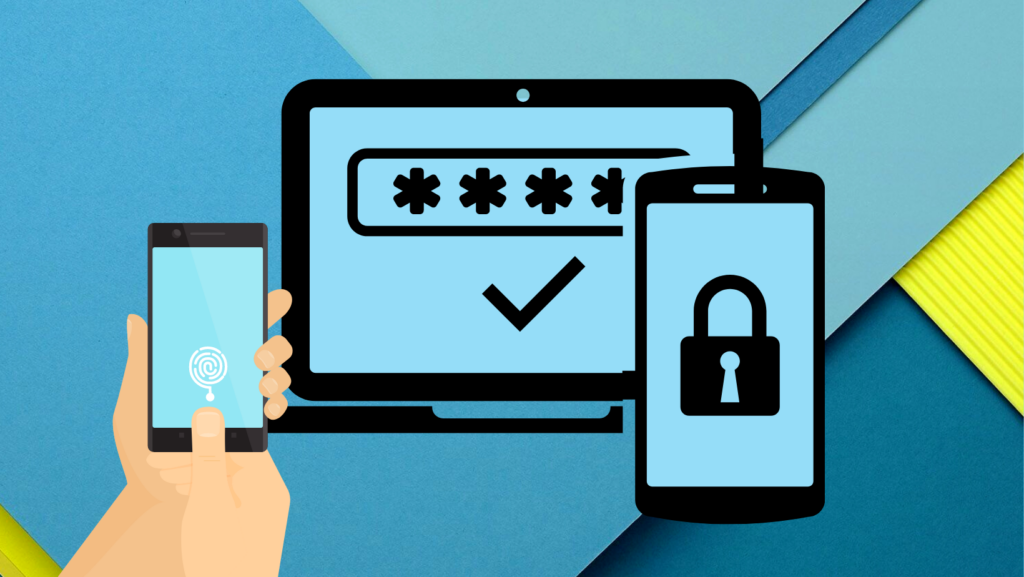
Multi-Factor Authentication is where the user needs to have their identity proved with two or more factors in order to log into an account. The factors involved include having possession of something such as a device to send you messages/ authenticate you with app access such as an authentication app; proving knowledge like with your password, and finally having something called “something of you”, that is to include biometric access, like a thumbprint scan or Facial Scan. If someone is successful in stealing one password they will not be able to break into account without a second, successful and additional step required from the user.
Improves Overall Cybersecurity
MFA is often part of a much broader security regime and should go in tandem with policies such as strong passwords, security training for employees, endpoint security software and encrypted devices. MFA does not offer an alternative solution to the security measures that are likely already in place and serve to enhance the general security of your business from those wishing to infiltrate your corporate accounts.
Best Practices for Using MFA
Wherever feasible, Organizations ought to inform staff members to apply authentication apps rather than sms verification. This type of verification application supplies more tough safety procedures. Companies must mandate the usage of MFA for all company e-mail accounts, on cloud-based services, in remote accessibility tools and also admin profiles.
Consistent education and learning with regard to security Awareness should confirm to your worker on the proper ways in which MFA operates in and why they can be required for company data protection.
Conclusion
Because of the changing landscape of cybercrime,Passwords alone simply aren’t enough for keeping business email accounts secure. Multi-Factor Authentication offers an easy method to mitigate many threats to accounts and credentials-such as phishing,credential stuffing, and brute-force attacks. Implementing MFA, as part of your overall information security posture-will increase your chances of securing sensitive data, help you win more customer trust, and build a more safe and secure environment on the Internet. Enabling Multi-Factor Authentication is among the most inexpensive ways your organization could bolster the security of business emails.